Reporting For Impact: Navigating Sustainability The Bursa Malaysia Way 1D

Allan Matthew Lee

Duration

1 Day

Time Schedule

Time - 9:00am to 5:00pm 

Break - 10:15am to 10.30am and 3:30pm to 3:45pm 

Lunch - 1:00pm to 2:00pm

Introduction

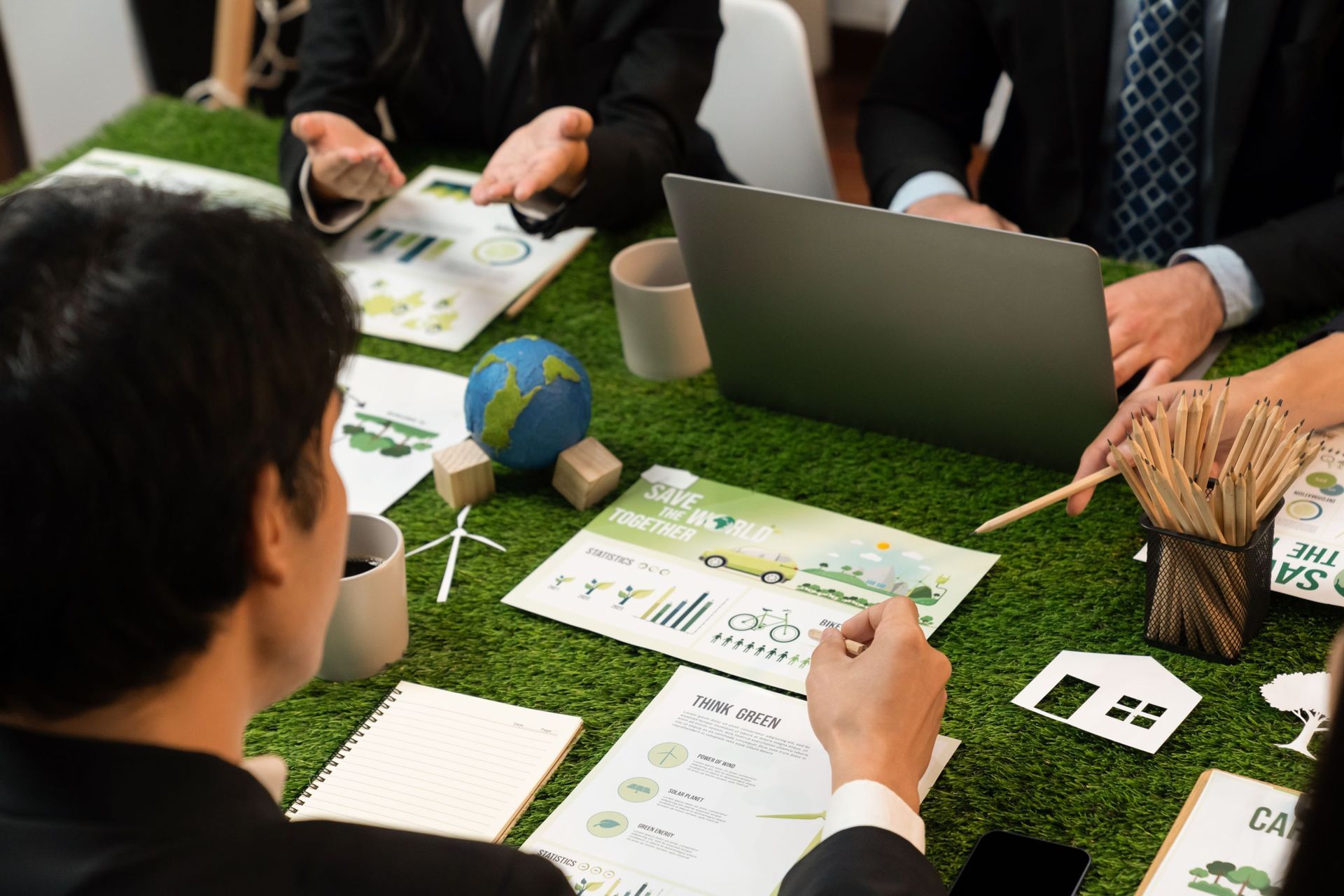
In today’s evolving business landscape, sustainability is no longer a choice— it’s an expectation. For companies listed on Bursa Malaysia, sustainability reporting is a vital part of demonstrating transparency, accountability, and long-term value creation. It is about more than compliance; it’s about telling a meaningful story of how a business impacts people, the planet, and the economy.


As investors and stakeholders increasingly demand responsible action, organizations are stepping up—disclosing their environmental, social, and governance (ESG) efforts clearly and honestly. This includes managing climate risks by adopting green technologies and investing in renewable energy. These actions are now key indicators of progress towards long-term sustainability goals and are actively encouraged under Bursa Malaysia’s sustainability reporting requirements.


To be effective, companies must align with both global standards and local frameworks, such as Bursa Malaysia’s Sustainability Reporting Guide and the Simplified ESG Disclosure Guide (SEDG). This integrated approach ensures businesses remain relevant, resilient, and responsive to their stakeholders’ evolving expectations.


Ultimately, by embracing comprehensive and transparent reporting practices, Malaysian companies can strengthen stakeholder trust, stay ahead of regulatory changes, and build a more sustainable, future-ready economy.
Learning Objectives

•To explain the business case for embedding sustainability within organizational strategies.

•To provide an understanding of the Sustainability Reporting Guide and its alignment with Bursa Malaysia’s Listing Requirements (LR).

•To equip participants with knowledge of the Sustainability Reporting process and required disclosures.

•To enable organizations to establish systems and processes for effective sustainability reporting and stakeholder engagement.

•To support the development of sustainability strategies informed by stakeholder inputs and Sustainable Development principles.

Learning Outcomes

By the end of this course, participants will be able to:

•Identify the benefits of Sustainability Reporting Guide (Guide)

•Improve awareness of relevant risks and opportunities connected to the company’s sustainability matters or issues

•Identify, prioritize and manage material sustainability matters

•Appreciate how sustainability can facilitate, support and drive corporate and societal value

Key Contents

9:00 AM – 10:15 AM


Module 1: Foundations of Sustainability Reporting

• The role of sustainability reporting in modern organisations

• The broader context and importance of sustainability disclosures

• Core principles, scope, and distinguishing features of sustainability reporting

• Practical benefits and real-world applications of sustainability reports

• Key components and processes required to produce effective reports


10.30 AM – 12.00 PM


Module 2: Understanding The National Sustainability Reporting Framework (NSRF) – Rationale, Objectives, And Impact

• Understand the role of NSRF in shaping Malaysia’s sustainable future.

• Explore how NSRF addresses stakeholder needs and aligns with global standards.

• Learn how NSRF responds to investor demand for reliable, comparable sustainability information.

• Discover how NSRF manages climate-related risks strategically.

• Understand how NSRF enhances transparency and ESG alignment to attract sustainable investment.

• Get familiar with NSRF’s reporting requirements, phased implementation roadmap, and capacity-building support.

• Recognize NSRF’s alignment with global standards such as IFRS S1 & S2, GRI, and SASB.


12.00 PM – 1.30 PM


Module 3: Sustainability Reporting Requirements by Bursa Malaysia

• Explore Bursa Malaysia’s sustainability reporting requirements.

• Understand the transition towards alignment with ISSB standards for global comparability.

• Examine Bursa’s Listing Requirements and the rationale behind mandatory disclosures.

• Learn the depth of information expected in sustainability disclosures.

• Understand the value of sustainability information to stakeholders.

• Get introduced to the Sustainability Reporting Guide and six practical toolkits.

• Learn the importance of assurance—both internal and external—for ensuring quality and accuracy.


2.30 PM – 4.00 PM


Module 4: Understanding The Alignment of Bursa Malaysia’s Sustainability Reporting Requirements to TCFD And IFRS, And Its Applications

• Understand how Bursa Malaysia’s reporting requirements align with TCFD and IFRS S1 & S2.

• Learn the practical application of these international standards.

• Understand how to conduct a materiality assessment to identify key sustainability issues.

• Explore the structure and content of IFRS S1 for general sustainability disclosures.

• Explore the structure and content of IFRS S2 for climate-related disclosures.

• Learn how these standards ensure comprehensive and decision-useful reporting.


4.00 PM – 5.00 PM


Module 5: Organizational Transparency and Accountability – Ensuring Adherence to Bursa Malaysia’s Sustainability Reporting Requirements

• Understand the importance of transparency and accountability in sustainability reporting.

• Learn about processes and structures that support accurate and consistent reporting.

• Identify reliable data sources and types of required documentation.

• Understand the roles of various departments or divisions in gathering and verifying data.

• Ensure effective internal coordination to meet reporting requirements.

Target Audience

• Sustainability & ESG practitioners

• Finance, risk, and governance professionals

• Internal auditors & compliance teams

• Strategy, operations, and transformation leaders

• Board members and senior management

• Consultants supporting sustainability reporting

• Anyone needing to understand IFRS S1 / S2 quickly and clearly Public Sector, Private Sector & Nonprofit Organizations

Learning Assessment

The course is designed to be highly interactive, application-focused, and personalized so that participants walk away with practical sustainability reporting skills they can implement immediately. By integrating experiential learning, self-assessment, case studies, group discussions, and action planning, the program ensures lasting sustainable impact.

Related Course

Guy Hawkins

President of Sales

Guy Hawkins

President of Sales

Guy Hawkins

President of Sales

Guy Hawkins

President of Sales

Guy Hawkins

President of Sales

Guy Hawkins

President of Sales

Guy Hawkins

President of Sales

Guy Hawkins

President of Sales

Guy Hawkins

President of Sales

Guy Hawkins

President of Sales

Guy Hawkins

President of Sales

Guy Hawkins

President of Sales

Guy Hawkins

President of Sales

Guy Hawkins

President of Sales

Contact Us for Your Training Needs Now

Let us be the compass that guides you to skill mastery! Whether you're a novice or seasoned enthusiast, we will ensure a seamless and enriching learning experience for you.

Contact Form- ESG

Guy Hawkins

President of Sales

Guy Hawkins

President of Sales

Guy Hawkins

President of Sales

Guy Hawkins

President of Sales

Guy Hawkins

President of Sales

Guy Hawkins

President of Sales

Guy Hawkins

President of Sales

Guy Hawkins

President of Sales

Guy Hawkins

President of Sales

Guy Hawkins

President of Sales

Guy Hawkins

President of Sales

Guy Hawkins

President of Sales

Guy Hawkins

President of Sales

Guy Hawkins

President of Sales

Ready for Impact?

Develop your people based on your company desired competencies with our immersive learning methods

Gamified
LMS
Soft Skill
Technical Skill
Cert
Teambuilding